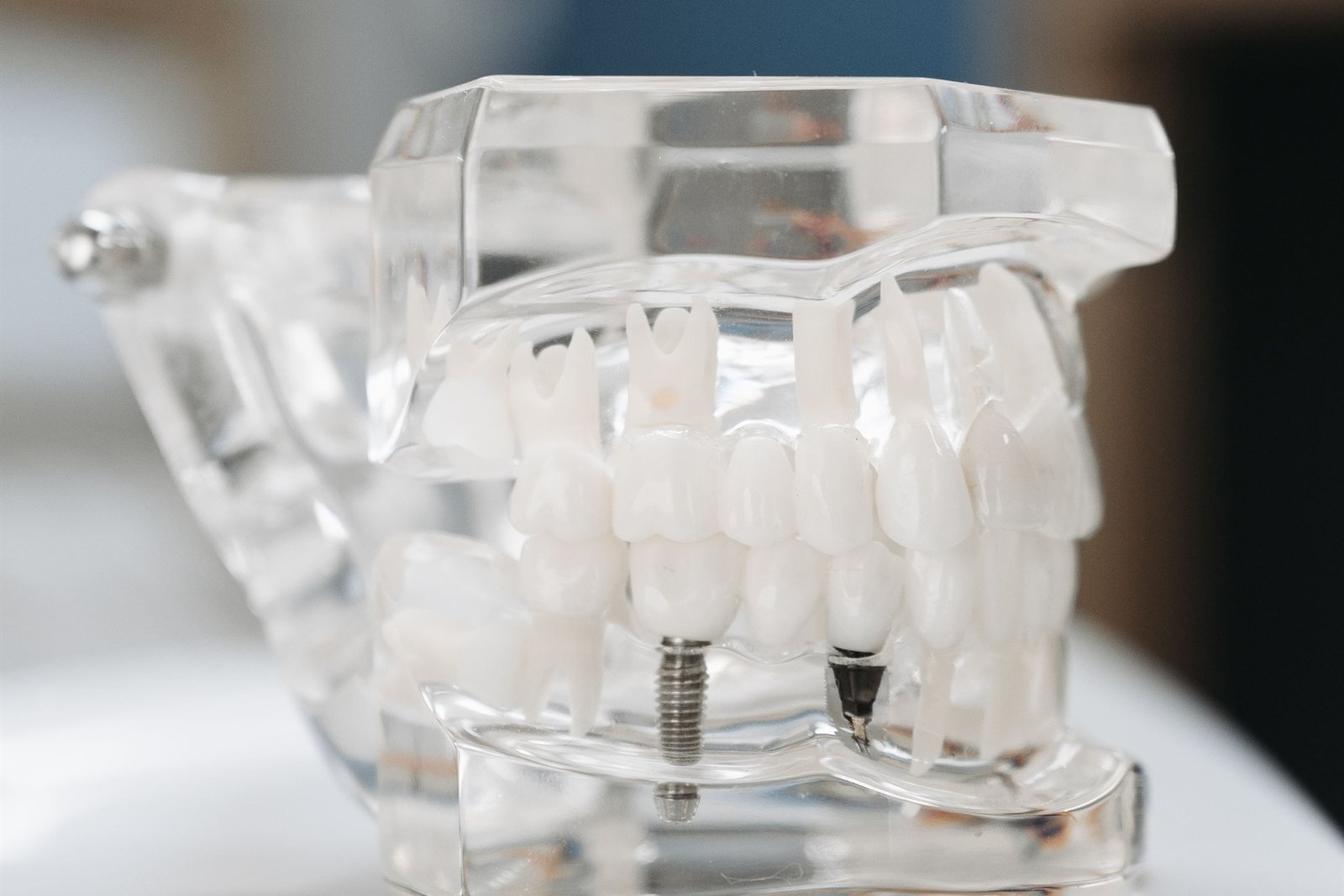
Whether you're missing one tooth or a few, a dental implant replaces each tooth root individually, giving you a stable, natural-feeling result built around your own smile, not a full-arch solution.
Losing a single tooth, whether from an old injury, a fracture, or advancing decay, can throw off your bite and your confidence more than people expect. The good news is that you do not need a full-mouth procedure to fix it. A single dental implant is placed exactly where that tooth's root used to be, and it functions independently of your other teeth, no bridge, no filing down healthy neighbors, no compromise on the rest of your smile.
The same principle applies when a patient is missing two, three, or several teeth scattered around the mouth. Each gap can typically be treated with its own implant, or in some cases a short implant-supported bridge can span two to three adjacent missing teeth using just two implants as anchors. This is meaningfully different from a situation where someone has lost most or all of their teeth in an arch, which is where a full-arch solution like All-on-4 comes in, using as few as four implants to support an entire row of replacement teeth. If that describes your situation more closely, that page will be a better starting point.
Our periodontists start every case with a detailed evaluation of the specific tooth or teeth you're missing, the health of the surrounding bone and gum tissue, and your bite, so the plan we build is sized to your actual need rather than a one-size-fits-all package. You can also read our broader overview of dental implants for general background on how implants work before diving into the specifics on this page.
Four steps from your first consultation to a finished, natural-looking tooth or teeth.
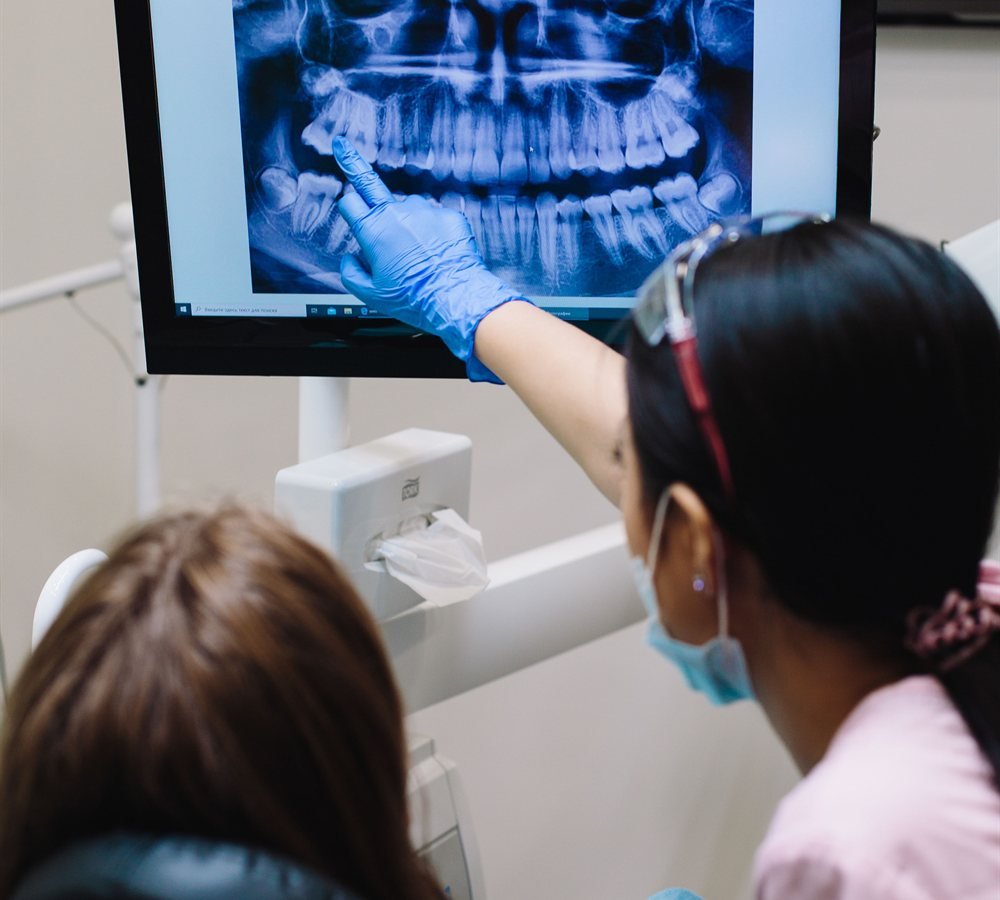
We examine the missing tooth site (or sites), take 3D cone-beam imaging to map your bone volume and nerve position, and confirm whether you're a candidate for immediate placement or need preparatory treatment first.
Each implant, a small titanium or zirconia post, is placed precisely into the jawbone where the natural tooth root once was. For multiple missing teeth, we place one implant per site or per planned bridge anchor point.
Over the following months, the implant fuses with the surrounding bone in a process called osseointegration, creating a foundation that is meant to be as stable as a natural tooth root.
Once healing is complete, a custom-crafted crown is attached to a single implant, or a short bridge is secured across two or three implants, matched to the shape, shade, and fit of your natural teeth.
Dr. Rana Shahi, Dr. Priscilla Young, and Dr. Ivana Yi are all board-certified periodontists who focus specifically on implant placement and the surrounding gum and bone tissue, not general dentistry spread thin.
A single missing tooth and three scattered missing teeth call for different plans. Dr. Shahi and her team design each case around your specific gap count, location, and bone quality, never a generic template.
Dr. Young uses detailed 3D imaging to plan implant position around your nerves, sinuses, and adjacent tooth roots before any surgery begins, which matters even more when only one tooth is at stake.
Dr. Yi and the team at LA Periodontics have built a practice with 240+ five-star patient reviews across Google and Yelp, reflecting steady, attentive care from first consultation through final crown.
You are missing one tooth or a small number of teeth, not most or all of an arch.
You would rather not grind down healthy neighboring teeth for a traditional bridge.
Your gums and jawbone are generally healthy, or any bone loss is limited enough to address before placement.
You are in good general health, or any chronic conditions you have are well managed.
You are a non-smoker, or willing to pause smoking during healing, since it affects implant success.
You want a permanent, fixed replacement rather than a removable partial denture.

Schedule a consultation with our board-certified periodontists to find out whether a single implant, multiple implants, or a short implant-supported bridge is the right fit for your smile.
Yes. A single dental implant is designed to replace one missing tooth root on its own. It is placed directly in the jawbone at the site of the missing tooth and topped with a custom crown, without involving or altering the teeth next to it.
A single or multiple tooth implant plan places one implant for each individual missing tooth, or occasionally a short bridge across two implants for adjacent gaps. All-on-4 is a different approach entirely, used when a patient is missing most or all of the teeth in an arch, where just four implants support a full row of replacement teeth. If you still have most of your natural teeth and are only missing one or a few, this page's approach is typically the appropriate one, not All-on-4.
It depends on whether the three teeth are adjacent or scattered. If they are next to each other, two implants placed at the outer edges of the gap can often support a three-unit bridge. If they are spread across different parts of the mouth, each gap will typically need its own individual implant. We'll map this out for you during your 3D imaging consultation.
Not always. Some patients have enough healthy bone at the missing tooth site to proceed directly to placement. Others, especially if the tooth has been missing for a long time, may need a small preparatory bone graft first to build up adequate support. This is something we evaluate with 3D imaging before recommending a treatment path.
Healing time varies by patient and site, but osseointegration, the process where the implant fuses with your jawbone, generally takes a few months. Your periodontist will confirm the implant is fully integrated with imaging before the final crown or bridge is attached.
Many patients prefer an implant because it does not require reshaping or crowning the healthy teeth on either side of the gap, which a traditional tooth-supported bridge does. An implant also stands on its own foundation in the jawbone, similar to how a natural tooth root functions. We can review both options with you at your consultation.
Placement is performed with local anesthesia, and sedation options are available for patients who feel anxious. Most patients report mild soreness for a few days afterward, manageable with over-the-counter or prescribed medication, similar to recovery after a tooth extraction.
That's still generally treated as multiple individual implant sites, each planned and placed according to its own location and bone support, as long as you still retain most of your natural teeth overall. If tooth loss is extensive across an entire arch, we may instead discuss a full-arch option like All-on-4 during your consultation.
We'll confirm your visit within one business day.
